Cultural differences shape how quickly international teams decide, challenge, trust, escalate, and execute. Make those differences visible—then turn them into explicit ways of working.
Book a diagnostic call
The goal is not to reduce people to national stereotypes. It is to understand the patterns that affect this team and create agreements leaders can use in meetings, decisions, feedback, and cross-border execution.
Explore the approach
Implicit expectations become discussable before they become expensive.
The process examines who speaks first, how disagreement is expressed, how much context messages need, when decisions are final, and what creates credibility. Cultural patterns are considered alongside role, personality, language fluency, power, incentives, and organizational history.
Cross cultural leadership mapping is most useful when leaders need one another to deliver, but current habits create delay, rework, silence, or unnecessary conflict.
A global leadership team may have capable people and a sound strategy yet still struggle to coordinate because members interpret the same behavior differently. One person sees a careful pause as responsible judgment; another reads it as hesitation. A direct challenge may signal commitment in one context and loss of respect in another. The mapping process gives multicultural teams a shared language for examining those differences without assigning fixed profiles to countries or individuals.
The intervention can be used proactively when forming an international team, integrating regions, entering a new market, or resetting expectations after a leadership transition. It can also be used diagnostically when cross-border collaboration is already difficult and leaders are losing time to reopened decisions, unclear escalation, missed feedback, or inconsistent follow-through.
For organizations strengthening global leadership or cross cultural management, the value lies in connecting cultural insight to operating performance. The conversation stays anchored in real decisions, recurring meetings, handoffs, stakeholder relationships, and the business outcomes the sponsor needs to improve.
No style is treated as more advanced than another. Each pattern can create value or risk depending on the situation.
Useful input is concise and decision-relevant. It helps the facilitator form hypotheses that participants can test against lived examples rather than treating cultural models as conclusions.
Depending on scope, evidence may be gathered through stakeholder interviews, a short questionnaire, document review, meeting observation, or a combination of methods. The team compares intent with impact and distinguishes cultural patterns from hierarchy, role, personality, language fluency, incentives, and organizational history.
Who depends on whom to deliver?
Where does authority become unclear?
Where are signals missed or duplicated?
What should remain local?
What creates credibility across regions?
What evidence would show useful change?
Inputs create hypotheses for discussion, not labels for individuals.
Clarify decisions, interfaces, and business outcomes.
Use interviews, questionnaires, examples, and documents.
Surface where expectations converge and differ.
Compare intent with impact using real incidents.
Convert insight into observable ways of working.
The work asks: “What expectation is operating here, and what agreement would help us work better?” Exercises are selected for the team’s real context and rehearsed against live cross-border work.
Reconstruct a stalled decision, failed handoff, or preventable escalation.
Examine how the same behavior may be interpreted from another operating context.
Separate explicit messages, implied meaning, hierarchy, and language fluency.
Clarify recommendation, consultation, ownership, and final authority.
Identify whether reliability, expertise, access, speed, or relationship builds confidence.
Practice difficult feedback, dissent, escalation, and stakeholder conversations across borders.
Agreements are specific enough to guide behavior, balanced enough to work across regions, and visible enough to revisit under pressure.
Global leadership is not memorizing country profiles. It is noticing context, questioning default assumptions, creating shared understanding, and adapting while keeping purpose, ethics, and accountability stable.

Establish norms before informal patterns become fixed.
Create a shared model across legacy expectations.
Clarify autonomy, standards, and market adaptation.
Diagnose communication and decision delays.
Prepare leaders for new markets and local teams.
Design participation across locations and languages.
Awareness alone does not improve intercultural communication. The team tests its proposed agreements against an upcoming decision, a live stakeholder conflict, or a recurring meeting that currently generates uneven participation. This exposes exceptions, power dynamics, language-access issues, and practical constraints that a generic workshop would miss.
Effective agreements specify who recommends and decides, how dissent is invited, which channels carry which messages, what response times are reasonable, and when an issue should move from local ownership to senior escalation. They also clarify the global–local balance: which standards remain fixed and where markets can adapt.
Repair behavior matters as much as prevention. The team defines what happens when an agreement is missed, a message causes unintended impact, or trust is damaged. This gives leaders a usable way to recover without avoiding the issue or turning every difference into a personal conflict.
Leaders practice reading weak signals, inviting perspectives that might otherwise remain silent, and making uncertainty discussable. They learn to adapt communication, pacing, and participation while keeping purpose, ethics, accountability, and performance expectations consistent.
For a cross cultural leadership mapping program spanning several teams or regions, the first engagement can inform a broader rollout. Scaling should preserve local input and never turn one team’s findings into assumptions about an entire country, market, or workforce.
Important: the map is a working hypothesis for this team—not a national scorecard or a fixed description of individuals.
The team establishes a credible baseline and reviews a small number of observable indicators after the intervention.
Dimensions that affect current work.
Strengths, risks, and critical patterns.
Observable cross-border behaviors.
Actions for the team and global leaders.
Practical follow-up indicators.
Sponsor debrief or follow-up session.
Format depends on team size, geographic spread, time zones, language needs, relationship history, and the sensitivity of the issues.
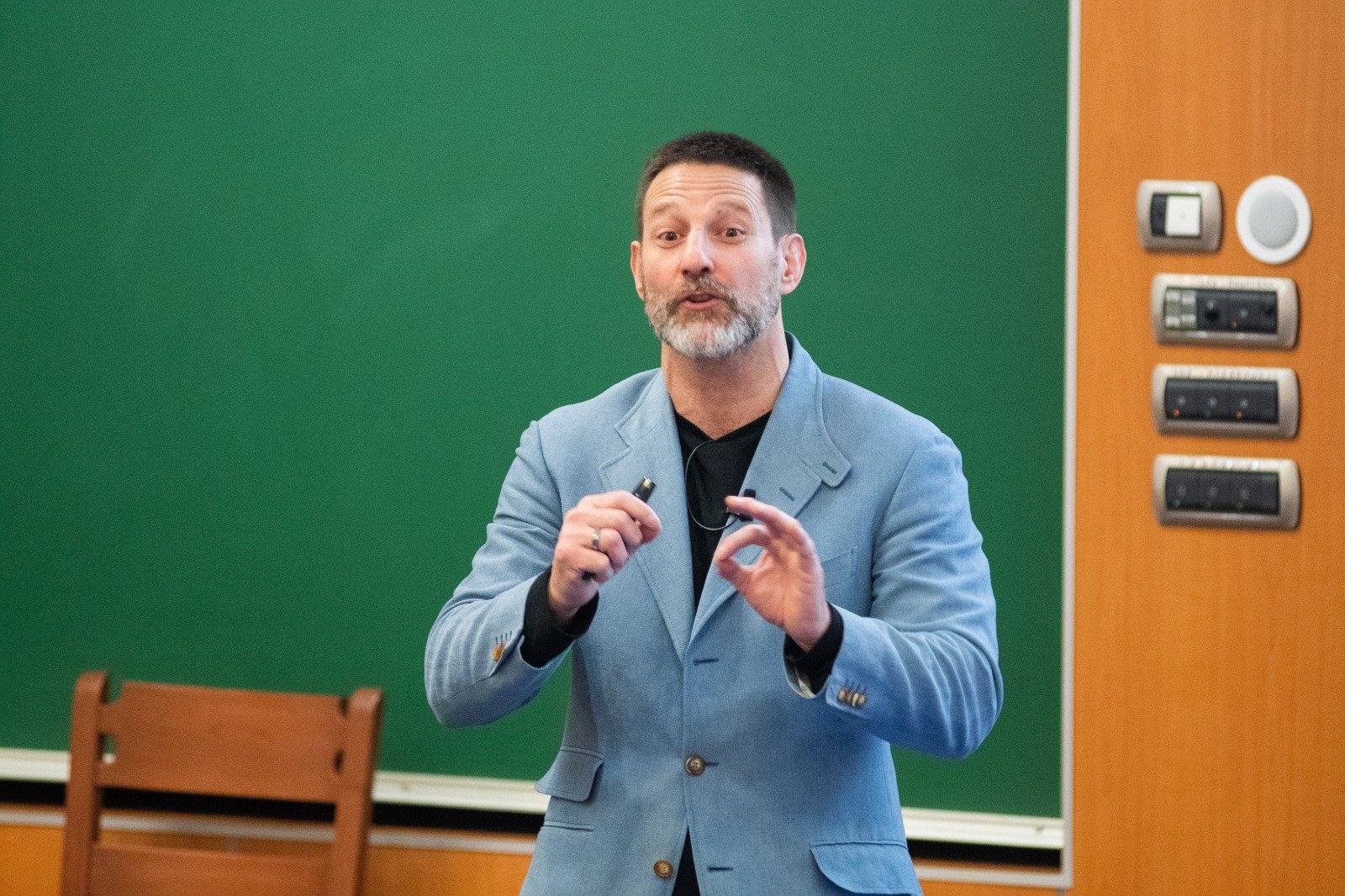
A facilitated diagnostic that makes differences in communication, decisions, trust, feedback, authority, and collaboration visible, then converts them into working agreements.
The people who depend on one another across countries, cultures, functions, or business units.
It is a team intervention. Awareness supports the work, but the goal is better coordination, decisions, challenge, and delivery.
Timing depends on team size, geography, stakeholders, and diagnostic depth, and is defined after the initial call.
Yes. The design accounts for time zones, languages, team size, and topic sensitivity.
A cultural map, synthesis of patterns, operating agreements, leadership priorities, and a measurement plan, according to scope.
Through relevant indicators such as decision clarity, rework, escalation patterns, meeting effectiveness, stakeholder confidence, and follow-through.
Yes. It is particularly useful when groups must quickly establish shared ways of working across regions.
Clarify the business situation, participants, desired outcomes, evidence to gather, and the right delivery format.