Pressure changes attention, judgment, communication, and behavior precisely when an organization needs steadiness most. This practical program helps directors and executives regain decision quality and lead with clarity when stakes, uncertainty, and time constraints rise.
Book a diagnostic call
Leaders work with the decisions, conversations, and operating tensions they actually face.
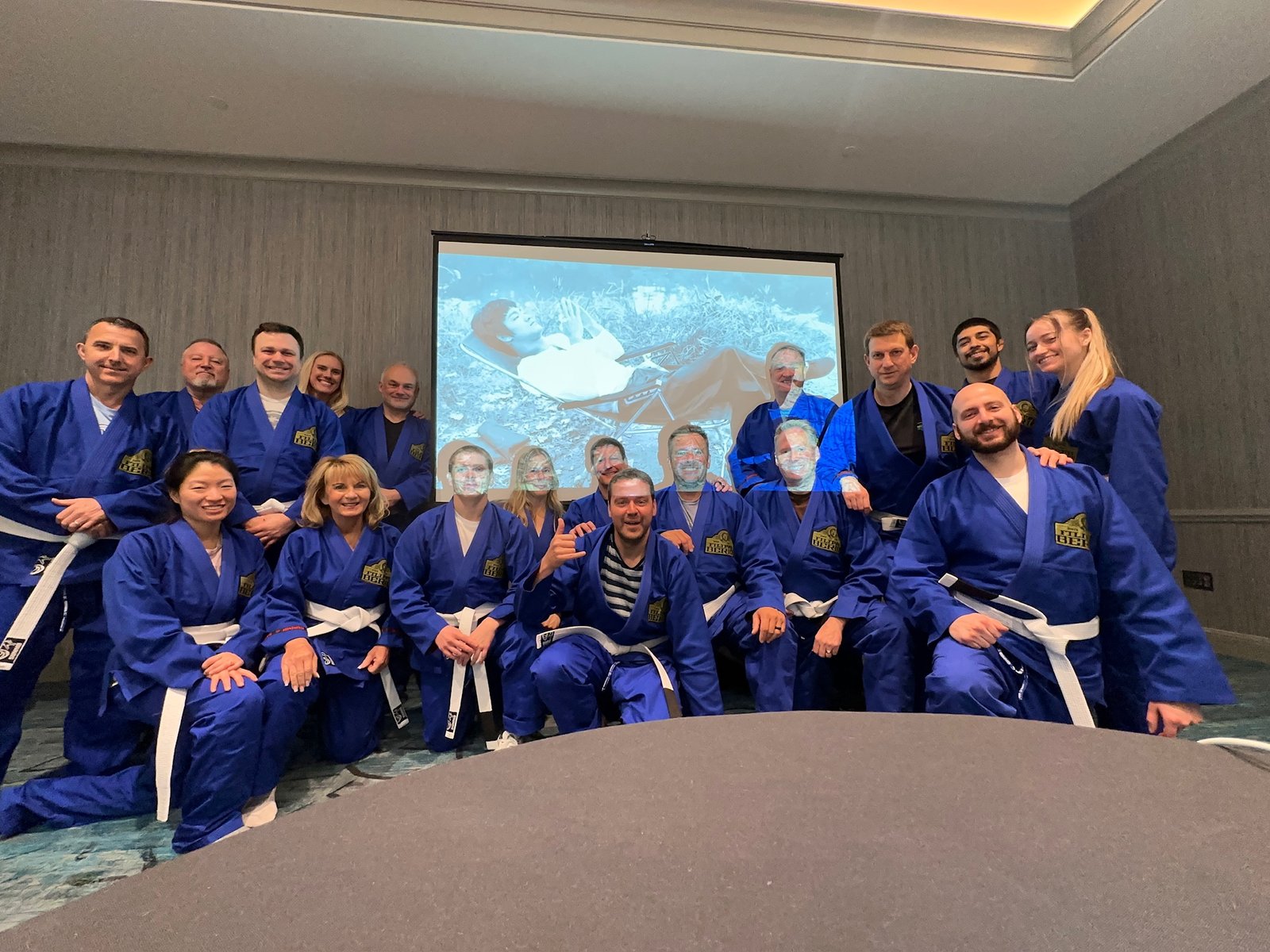
The program combines diagnosis, behavioral practice, realistic simulations, and workplace application. It is not therapy, generic inspiration, or a lecture on stress. It helps leaders identify pressure patterns and choose a more useful response amid ambiguity, scrutiny, competing demands, and rapid change.
One unclear decision creates rework. Rework increases time pressure. Time pressure reduces dialogue. Reduced dialogue hides emerging problems. The program interrupts this cycle with a common method for critical moments.
Context, criteria, or ownership is missing.
Teams revisit work without better evidence.
Urgency crowds out useful dialogue.
Problems surface later and cost more.
A shared sequence helps leaders respond deliberately without implying that every situation should be handled identically.
Identify triggers, signals, assumptions, and urgency cues.
Create a brief pause, control pace, and protect attention.
Define the issue, constraints, stakeholders, and time horizon.
Test bias, examine trade-offs, assign ownership, and commit.
Explain direction, rationale, boundaries, and next actions.
Learn without blame and update deliberately.
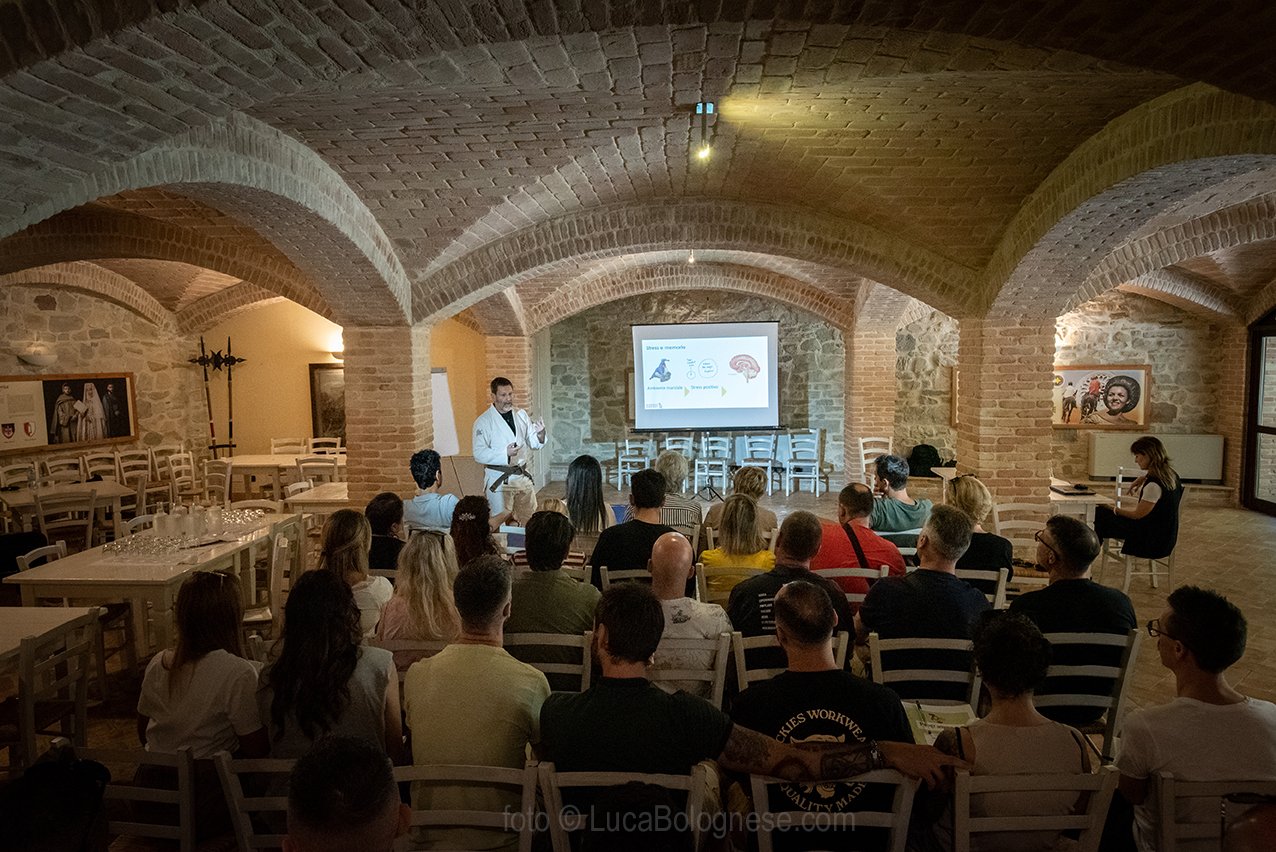
Participants work with incomplete information, competing priorities, interpersonal tension, and limited time. Facilitated debriefs connect simulation behavior to the real operating environment.
Sponsor alignment, context, scenarios, and observable measures.
Focused pressure-pattern questionnaire or participant preparation.
Facilitated modules and role-relevant high-pressure scenarios.
Compact routines for framing, communication, and recovery.
Escalation, challenge, communication, and review agreements.
Defined behaviors, follow-up checkpoints, and sponsor readout.
BBB and the sponsor select a small set of credible, observable indicators. The goal is not measurement theater, but evidence that leaders are using the new behaviors.
Timing, cohort size, cadence, facilitation language, and follow-up are defined after the diagnostic—not forced into a fixed package.
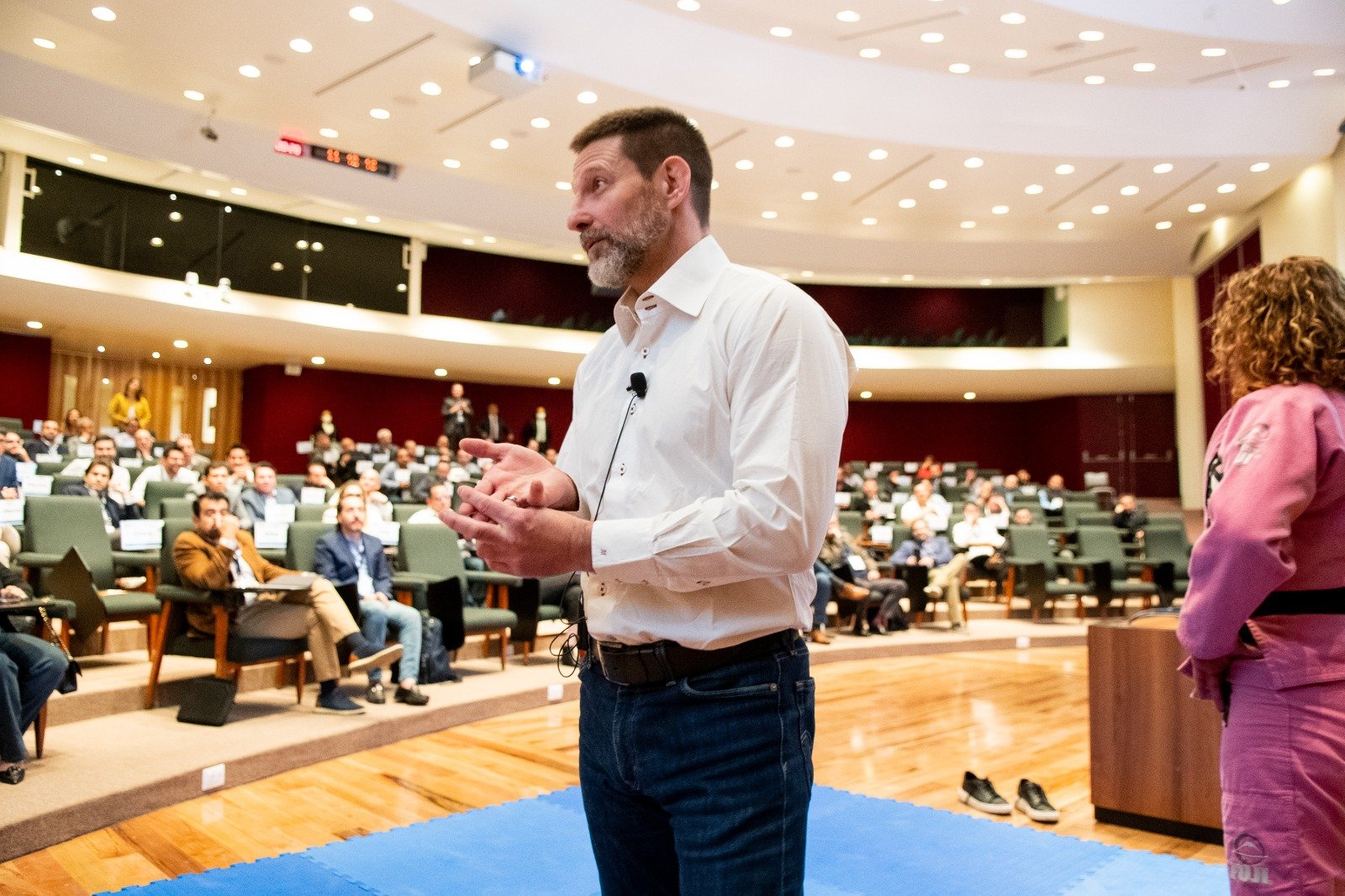
Directors, executives, and leadership teams whose roles involve consequential decisions, uncertainty, visible scrutiny, or sustained operational pressure.
No. It strengthens leadership behavior under pressure and does not replace crisis, security, legal, or continuity procedures.
Yes. Scenarios are adapted during the diagnostic while handling confidential information appropriately.
Through agreed observable indicators such as decision clarity, escalation quality, communication consistency, follow-through, and recovery behavior.
Yes. The format depends on participant locations, scenario complexity, available time, and reinforcement needs.
Duration is defined after the diagnostic according to the population, modules, simulation depth, format, and follow-up requirements.
Yes. The work can address shared pressure patterns, decision rights, escalation rules, challenge practices, and communication protocols.
Begin with a diagnostic call to clarify context, participants, desired outcomes, format, and constraints.
Clarify the pressure context, target leaders, critical scenarios, desired measures, and the right program architecture.