
Pressure is part of leadership. Persistent overload should not be. This focused assessment reveals how pressure is affecting judgment, energy, recovery, and day-to-day leadership behavior—then converts insight into practical action.
Start with a diagnostic call
The Stress Strategy Test explores perceived pressure, recovery capacity, triggers, habitual responses, and the work context around the leader.
It is designed for organizations that need to understand both the patterns a leader can influence and the operating conditions that require a structural response. The objective is not to remove every demanding moment; it is to sustain performance without normalizing overload.
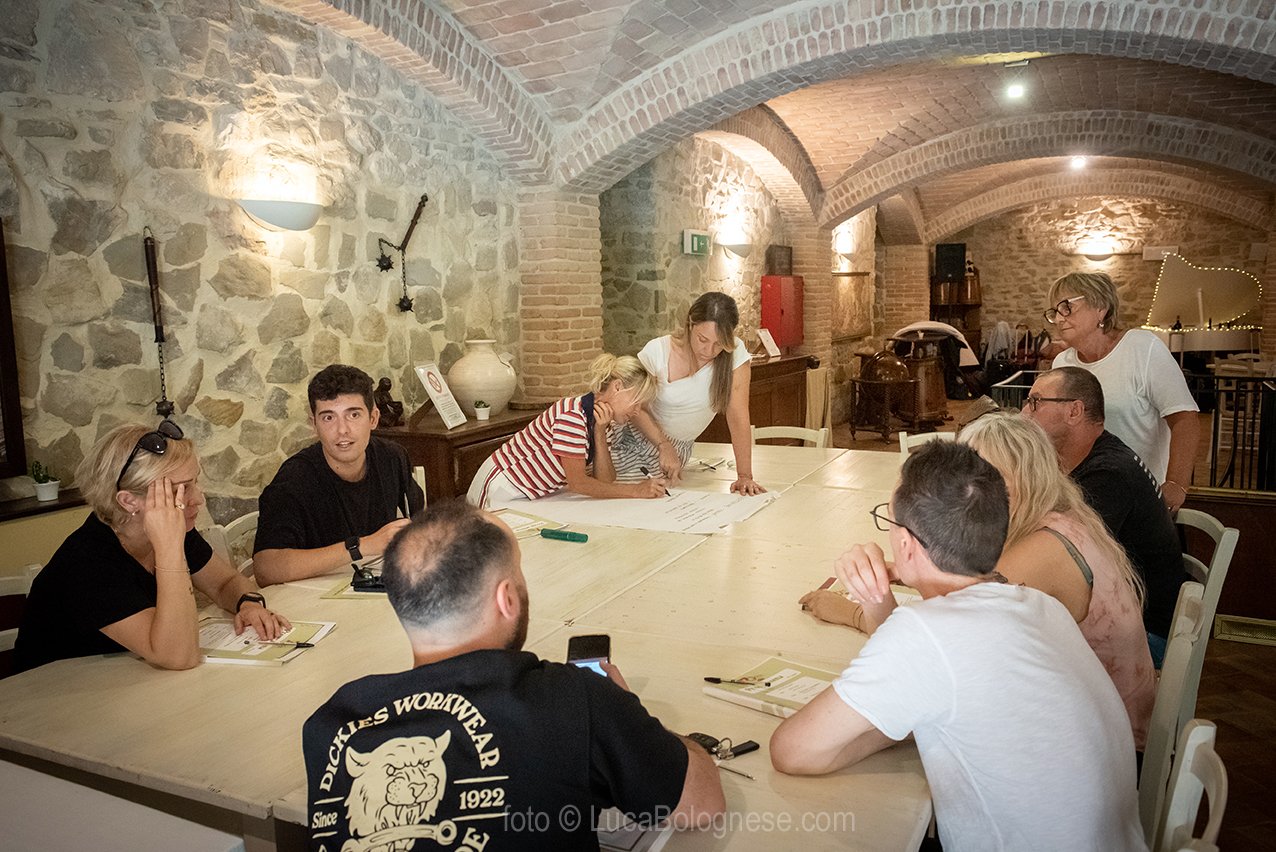

The diagnostic separates individual patterns from organizational conditions, so recommendations are specific, fair, and actionable.
Identify early warning signs, recurring conditions, and high-risk moments.
Distinguish controllable habits from structural workload and system issues.
Choose proportionate changes with clear ownership and follow-up.
Individual resilience cannot compensate indefinitely for an operating system that creates avoidable overload.
Build awareness and practical control in the flow of work.
Reduce friction and create conditions for sustainable performance.

Log use and decision readiness.
Capture tomorrow’s priorities and reduce after-hours checks.
Make tradeoffs explicit before overload compounds.
Clarify response times and reduce unnecessary interruptions.
Intensity and frequency
Capacity and quality
Leadership responses
Demand and control
Focus and follow-through
Baselines and follow-up measures are agreed in advance. Confidentiality and reporting boundaries are defined before the assessment begins.
This is a development and workplace stress-management tool. It is not a medical, psychological, or occupational-health evaluation. Serious or persistent concerns should be addressed by a qualified professional.
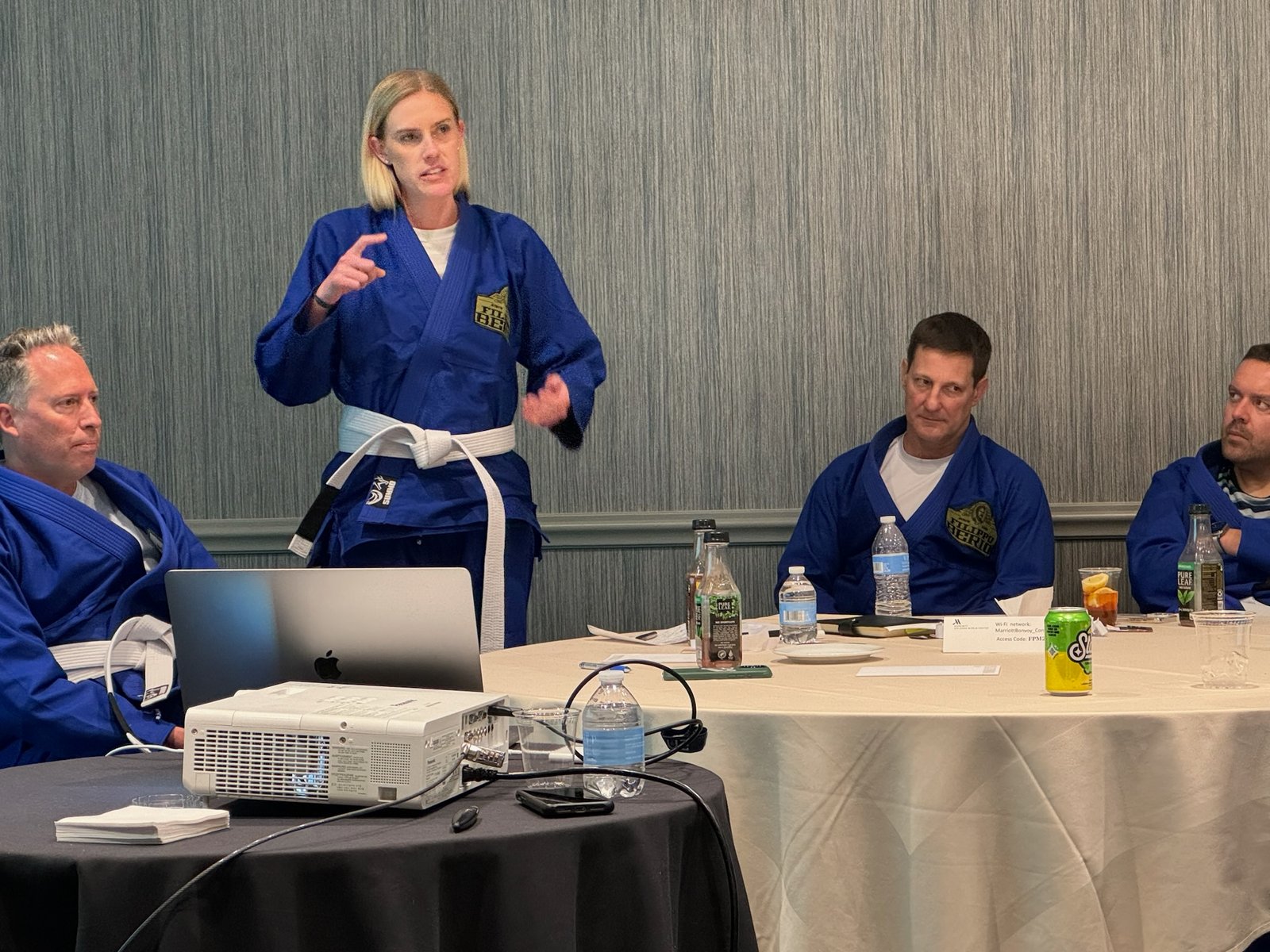
It examines pressure patterns, recovery capacity, leadership responses, organizational context, and performance signals.
No. It is a leadership-development and workplace stress-management assessment, not a clinical evaluation.
Executives, senior leaders, leadership cohorts, and organizations navigating sustained demand, transition, or transformation.
Confidentiality, access, and sponsor reporting are agreed in advance. Organizational reporting is aggregated where appropriate.
Yes. Individual, cohort, and organizational formats can be delivered in person, virtually, or in a hybrid model.
A profile, facilitated debrief, prioritized recommendations, and a measurable 90-day action plan.
Through agreed baseline and follow-up indicators covering pressure, recovery, behavior, work-system conditions, and performance.
A diagnostic call to clarify the leadership context, intended audience, confidentiality, and desired outcomes.
Clarify the leadership context, define reporting boundaries, and identify the most useful assessment format for your organization.